Construction de la Tour Eiffel et comment la visiter aujourd'hui
Lorsque la société Gustave Eiffel construit le monument le plus reconnaissable de Paris en 1889 à l'Exposition universelle, beaucoup considèrent que la structure en fer massive est sceptique. Aujourd'hui, la Tour Eiffel, qui continue de jouer un rôle important dans les émissions de télévision et de radio, est considérée comme une merveille architecturale et attire plus de visiteurs que toute autre attraction touristique payante au monde.
Conception et construction de la tour Eiffel
En 1889, Paris accueille l'Exposition universelle (Exposition universelle) pour célébrer le 100e anniversaire de la Révolution française. Plus de 100 artistes ont présenté des projets en concurrence pour la construction d'un monument au Champ-de-Mars, situé au centre de Paris, qui servirait d'entrée à l'exposition. La commission a été attribuée à Eiffel ET Compagnie, une société de conseil et de construction appartenant au célèbre constructeur de ponts, architecte et expert en métal, Alexander-Gustave Eiffel. Bien que Eiffel lui-même ait souvent le mérite du monument qui porte son nom, il est l’un de ses employés - un ingénieur constructif du nom de Morris Coehlin - qui a mis au point un concept de mise au point. Quelques années plus tôt, le couple avait collaboré à la statue de la liberté, des ferrures en métal.Des millions de visiteurs pendant et après l'Exposition universelle sont surpris par le nouveau miracle architectural de Paris. Cependant, tous les habitants de la ville n'étaient pas aussi enthousiastes: de nombreux parisiens craignaient que sa structure ne soit pas confirmée ou le considéraient comme un coroner. Le romancier Guy de Maupassant, par exemple, prétend haïr tellement la tour qu’il déjeune souvent au restaurant, à la base, le seul point pour lequel il ne peut absolument pas regarder du ciel. Le saviez-vous? Les piliers de base de la tour Eiffel sont orientés vers les quatre points cardinaux.
L'Eiffel rapporte qu'il a rejeté le plan original de la tour de Cohelin en lui donnant pour instruction d'ajouter une prospérité plus riche. La conception finale prévoit plus de 18 000 pièces de fer, de fer forgé utilisées dans la construction et 2 500 000 pointes. Plusieurs centaines de travailleurs ont passé deux ans à assembler la structure d'une tour emblématique qui, lors de l'inauguration en mars 1889, s'élevait à près de 300 mètres de haut et constituait la plus haute structure du monde - une distinction qui a perduré jusqu'à l'achèvement du New York Building de Chrysler. en 1930. (En 1957, une antenne a été ajoutée, ce qui a augmenté la hauteur de la structure de 65 pieds, la rendant plus haute que le bâtiment Chrysler, mais pas le bâtiment de l'Empire qui a dépassé son voisin en 1931.) Initialement, seule la plate-forme au deuxième étage de la tour Eiffel b était ouvert au public; plus tard, les trois niveaux, dont deux ont maintenant des restaurants, seront disponibles dans un escalier ou dans l'un des huit ascenseurs.
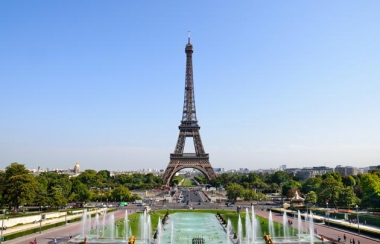
Désormais l'une des structures les plus reconnaissables de la planète, la tour Eiffel a subi un important levage en 1986 et a été réparée tous les sept ans. Il accueille plus de visiteurs que n'importe quel autre monument payant au monde (même plus que le château de Versailles) - environ 7 000 000 de personnes par an. Quelque 500 employés sont responsables de leurs activités quotidiennes: ils travaillent dans leurs restaurants, gèrent leurs ascenseurs, assurent leur sécurité et guident les foules impatientes sur les plateformes de la tour pour profiter de la vue panoramique sur la ville lumière ....
La tour Eiffel devient une constante de la skyline parisienne
Prévue à l'origine comme une exposition temporaire, la tour Eiffel a été presque déchirée et détruite en 1909. Les responsables de la ville ont choisi de la sauver après avoir reconnu sa valeur en tant que station de radio télégraphie. Plusieurs années plus tard, pendant la Première Guerre mondiale, la Tour Eiffel intercepta les communications radio de l'ennemi, envoya des signaux aux diviseurs et envoya des renforts d'escorte. Au cours de la Seconde Guerre mondiale, il fuit les destructions pour la deuxième fois: Hitler ordonna initialement la démolition du symbole le plus précieux de la ville, mais le commandement ne fut jamais exécuté. Également pendant l'occupation allemande de Paris, les combattants français ont résisté aux ascenseurs bien coupés de la tour Eiffel et les nazis ont donc dû monter les escaliers.Au fil des ans, la Tour Eiffel a été le théâtre de nombreuses cascades, cérémonies et même de nombreuses expériences scientifiques. En 1911, par exemple, le physicien allemand Theodor Wulf utilisait un électromètre pour détecter des niveaux de rayonnement supérieurs à son niveau supérieur à celui de la ligne de base en observant les effets de ce que l'on appelle maintenant les rayons cosmiques. La Tour Eiffel a inspiré plus de 30 répliques et structures similaires dans différentes villes du monde.